-

-
-
Loading
Loading

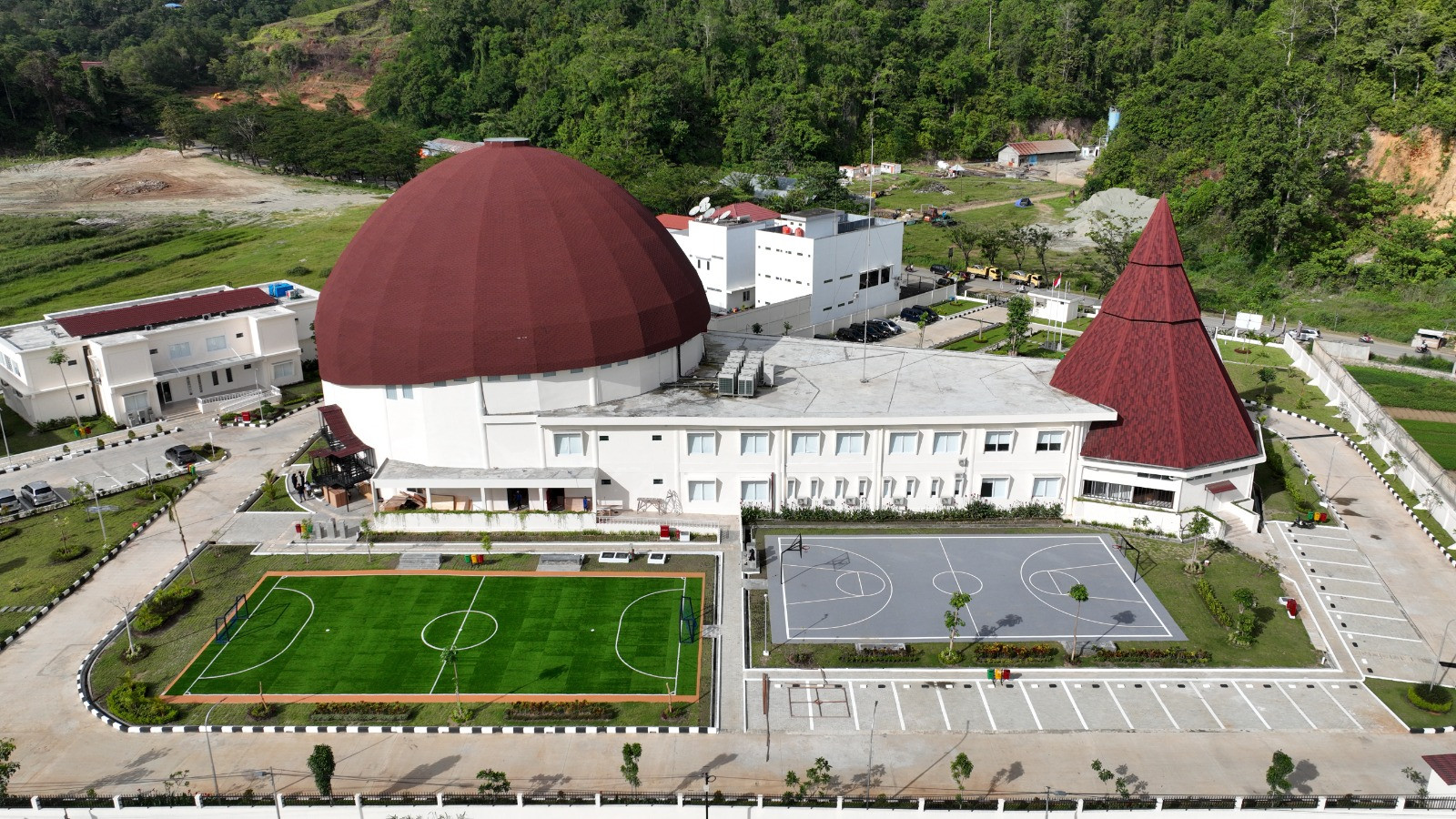
JAYAPURA — A recent report by a New Zealand-based foreign media outlet stated that several Pacific leaders have "put Indonesia on notice" regarding a long-awaited visit by the UN High Commissioner for Human Rights to Papua. This narrative is, in fact, nothing new. It is an old broken record continuously played by separatist factions like the United Liberation Movement for West Papua (ULMWP) and the Free Papua Movement (OPM) in international forums.Their goal is singular: to manipulate global opinion, cover up their domestic acts of terrorism, and undermine the sovereignty of the Unitary State of the Republic of Indonesia (NKRI).
Claims of state-sponsored human rights violations in Papua are deeply flawed narratives deliberately maintained for political grandstanding. Let us dissect the true reality from open sources and community leaders who witness the real face of Papua today, far removed from the blurred lenses of separatist lobbyists abroad.
International Propaganda Masking Local Terrorism
The demands from a handful of Pacific leaders are often based on one-sided information supplied by separatist activists who haven't set foot in Papua for decades. Pro-NKRI figures and native Papuan youth frequently lament the international community's blindness to the facts on the ground.
Papuan Youth Leader, Ali Kabiay, has repeatedly emphasized in open forums that armed separatist groups (KKB/OPM) are the true enemies of the Papuan people. "Those who burn down schools, murder teachers, health workers, and indigenous Papuan civilians are the KKB. They twist the facts abroad, acting as if the state is the oppressor, when in reality, they are the ones spreading terror," he asserted during a national dialogue.
Echoing this sentiment, international legal experts affirm that Papua is a final and inseparable part of Indonesia, recognized by the United Nations through Resolution 2504 in 1969. Any form of foreign intervention ridden by separatist groups is a direct violation of state sovereignty.
Humanistic Development: The True Face of State Presence
The human rights violation narratives pushed by the ULMWP deliberately obscure the fact that Papua's current development highly prioritizes humanistic aspects and social justice. Trillions of rupiah in Special Autonomy (Otsus) funds are distributed not only to build the Trans-Papua highway or grand bridges, but to elevate the human dignity of Papuans.
The government's current approach focuses on education, healthcare, and local economic empowerment. The creation of New Autonomous Regions (DOB) in Papua is a concrete step to bring public services closer to communities in remote mountainous areas that have long been difficult to reach. Affirmative action is granted to native Papuan sons and daughters, empowering them to become regional leaders, enter military and police academies, and secure government scholarships to study abroad.
The military and police (TNI-Polri) personnel stationed there do not merely enforce the law against armed groups; they actively teach in remote schools, serve as emergency medical workers, and assist local farmers. This is the true portrait of human rights protection: ensuring citizens receive their right to life, education, and a sense of security.
Correcting Misconceptions: Who Truly Cares?
For decades, separatist groups have attempted to brainwash and create misconceptions among the Papuan public. They plant doctrines of hatred, acting as if Jakarta only exploits Papua's wealth while neglecting its people. However, today's reality proves otherwise. Indonesia gives extraordinary and outsized attention to Papua compared to other regions, solely to bridge the development gap and achieve equality.
The contrast between the Indonesian government and separatist factions (OPM/ULMWP) is as stark as night and day:
1. The State (Indonesia) builds community health centers and schools; the OPM burns them down.
2. The State (Indonesia) provides scholarships and health guarantees; the OPM recruits underage children to bear arms and attack authorities.
3. The State (Indonesia) prioritizes dialogue and welfare; the ULMWP travels the world selling their own people's suffering for the sake of an illusory seat of power.
The pressure from a few Pacific leaders influenced by separatist lobbying will not shake Indonesia's commitment. The nation will continue to protect its entire homeland. It is time for the international community to stop giving a platform to armed criminal groups and white-collar separatists who actively undermine humanitarian values and Indonesia's sovereignty. Papua is Indonesia, and a peaceful future for Papua can only be achieved under the Red and White flag, not under the shadow of separatist terror.